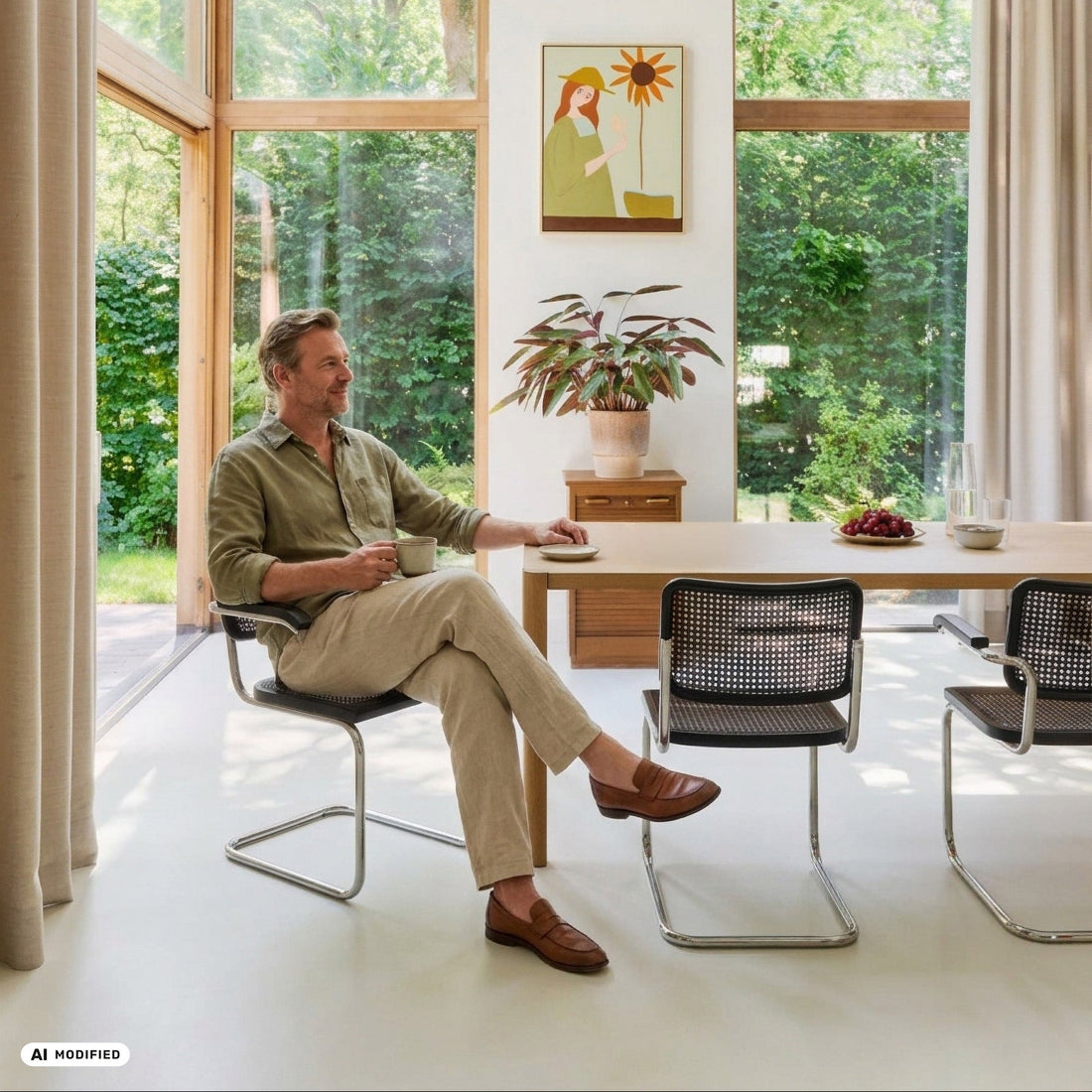
Wardrobes are an essential part of any home, providing storage for everything from clothes and shoes to accessories. They come in many sizes and styles, each with its own advantages to suit different needs. Whether you want to make the most of your available space or simply declutter your home, a well-designed wardrobe can help keep your belongings tidy and easy to reach. If you are ready to get your clothes, shoes and accessories in order, explore the many wardrobe options available.
What to consider when buying a design wardrobe:
1. Different types of wardrobe
2. Wardrobe materials
3. Choosing the right wardrobe size
4. Tips for organising your wardrobe
5. What should I look for when buying a wardrobe?
5. Summary
6. FAQs
1. Different types of wardrobe
There are many types of wardrobe, each designed for a particular need or purpose. Common options include fitted wardrobes, walk-in wardrobes, corner wardrobes, shelving used as wardrobe storage, fitted wardrobe systems and linen cupboards. Each type offers different features and functions. You are sure to find a wardrobe to suit your needs in our range.

2. Wardrobe materials
Wardrobes can be made from a range of materials, including wood, metal, plastic and fibreglass. Each has its own advantages and disadvantages, depending on your needs and preferences.
Wooden wardrobes
Wood is durable and provides good insulation. Wooden wardrobes offer several advantages over other materials and are generally hard-wearing. They can also be adapted to your specific needs, making them a versatile option for any home. Solid-wood wardrobes are particularly popular. Their robust yet pleasant feel makes them a distinctive addition to your home.
Metal wardrobes
Metal wardrobes cost less than those made from other materials, but are not as durable. They can be a good choice if you need plenty of storage on a limited budget. Metal is also highly resistant to water, making it suitable for homes in particularly humid climates.

Plastic wardrobes
Plastic is another common material, with its own advantages and disadvantages. Plastic wardrobes are a practical choice if you are looking for durable, affordable storage. They are also well suited to humid climates, and are easy to clean and care for.
3. Choosing the right wardrobe size
When choosing a wardrobe size, consider both the space available and the size of your home. If you have a large home, you may need a larger wardrobe. If you live in a smaller flat or house, a more compact wardrobe may be a better fit.

It is also worth thinking about how much storage you need. If you have a lot of clothes, shoes and accessories, you will probably need a larger wardrobe.
4. Tips for organising your wardrobe
A wardrobe does not automatically mean an organised wardrobe. Here are a few useful ways to keep yours tidy.
Choose storage that suits the layout and size of your wardrobe. Shelves and drawers are popular options for keeping things organised and easy to find.
Declutter your wardrobe
The first step is to sort through everything currently in your wardrobe. Look at each item and ask yourself whether you still need it. If not, consider donating it or throwing it away.

Sort clothes by type
Once you have sorted through your belongings, group them by type or category, such as tops, bottoms and shoes. It also helps to declutter your wardrobe regularly and let go of items you no longer need. Hang up clothes that crease easily.
5. What should I look for when buying a wardrobe?
There are a few important points to consider when buying a wardrobe. First, check its dimensions and make sure it will fit in the available space. Think about the type of wardrobe you need, such as a fitted or walk-in design.

Other factors include the quality of the materials and construction, as well as the cost and delivery. Consider your needs carefully to make sure you choose the right wardrobe for your home.
Wardrobes come in many styles, each with its own advantages. Common styles include traditional, modern, contemporary and rustic.
6. Summary
Whatever your needs or budget, there is a wardrobe to suit you. Whether you need extra storage, durability or a particular style, there are plenty of options to consider. Explore the range and find a wardrobe that works for your home.
7. FAQs
How do I know what size wardrobe I need?
Consider both the space available and how much you need to store when choosing the size of your wardrobe.
What are some tips for organising my wardrobe?
Declutter your wardrobe regularly and get rid of things you no longer need. Sort your clothes by type or category, and consider the quality of the materials and construction when choosing a wardrobe.
What should I look for when buying a wardrobe?
Consider factors such as size, the quality of the materials and construction, cost and whether installation is available.
What different types of wardrobe are there?
Wardrobes come in many styles, including traditional, modern, contemporary and rustic. Each has its own advantages, depending on your needs and budget.
Which type of wardrobe is best for me?
The right wardrobe depends on your individual needs and preferences. Consider how much space you have, the number and size of the items you need to store, your budget and any installation requirements. There is a wardrobe to suit a wide range of needs.